
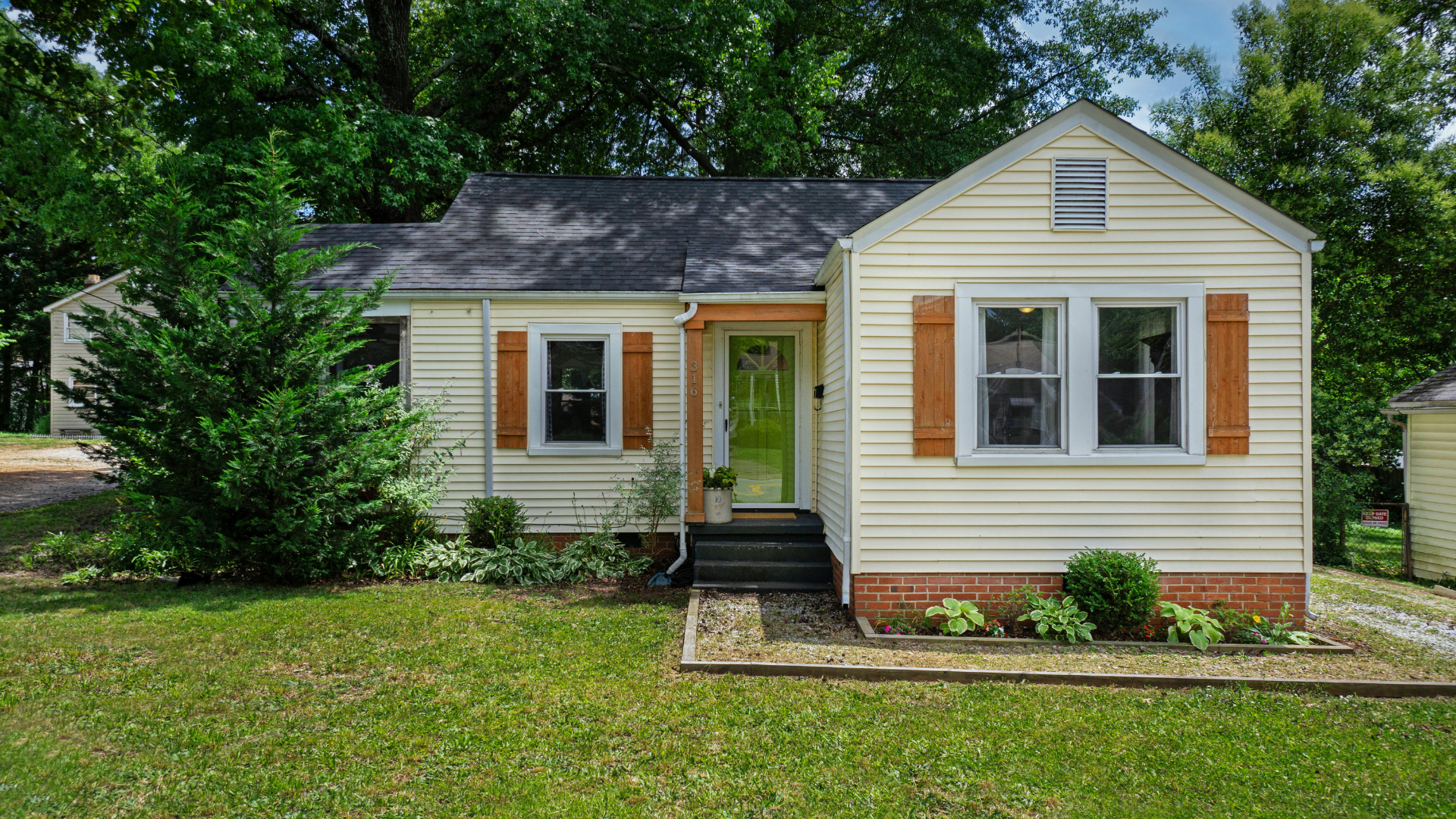
June is National Safety Month. While this time is often dedicated to workplace awareness or emergency protocols, it provides a perfect opportunity to shift our focus toward a more personal goal: proactive home design.
We often view home safety as a collection of clinical, unappealing equipment like grab bars or medical alert buttons that we only install when a crisis forces our hand. We wait for a slip or a fall before we decide to make a change.
If you are someone who plans to keep working, traveling, and contributing to your community, your home should be your primary strategic asset. Home safety is not about preparing for decline. It is about designing a space that supports your most ambitious life chapters.
Designing for Flow, Not Just Falls
Instead of reacting to potential hazards, look at your home through the lens of proactive life design. Consider these three strategic shifts:
- Audit for Friction: Look for friction points in your daily routine. Does your kitchen layout require you to climb or overreach for essentials? Modernizing your workflow by keeping high-use items within reach is just as much a professional productivity hack as it is a safety measure.
- Lighting as Infrastructure: Excellent lighting is the most effective, non-obtrusive safety upgrade you can make. Improving ambient and task lighting reduces eye strain, sharpens focus, and prevents accidents without turning your home into an institution.
- The “Red Book” Integration: Home safety includes your digital and logistical perimeter. Is your “Red Book” Blueprint easily accessible for a service call? Are your emergency contacts and digital health records backed up and reachable by your family of choice?
Aging is a process shaped by the decisions we make today. By viewing safety as a component of proactive life design, you transform your home into a powerhouse that supports your continued engagement, curiosity, and contribution.
What small, proactive change will you make in your home design this month to support your next decade of purpose?
Resources to Get Started

You don’t have to figure this out from scratch. These free tools can help you take the first steps.
AARP HomeFit & Livable Communities – AARP offers a free HomeFit Guide with room-by-room modification checklists. They also maintain a Livability Index that assesses how well communities support older residents. This is one of the most accessible, consumer-friendly starting points.
AgingInPlace.com – 18 Features of an Age-Friendly Home – This resource promotes greater awareness of aging-in-place issues such as age-friendly homes, home safety, and home assessments, and the development of creative and innovative solutions to enable seniors and older adults to lead healthy and independent lives.
This Old House – Elder-Friendly Design Guide – This guide presents 10 smart and efficient ways to update a home to help seniors age in place using universal design principles, covering everything from lighting to accessibility modifications.
WHO Decade of Healthy Ageing – 10 Universal Design Features – This toolkit outlines 10 universal design features for age-friendly homes in a concise and digestible way, covering level access, connection to outdoors, neighborhood integration, and assistive technology support. It’s designed for practitioners, private developers, and individual homeowners alike.