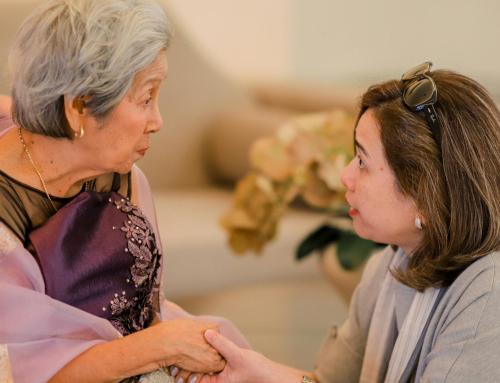

When Sarah’s phone rang on a Tuesday morning, her heart dropped. Her 78-year-old mother, a vibrant keenager who still loved tending her garden, had tripped over a rug and fractured her hip. Suddenly, Sarah was thrust into a maze of hospital discharge planners, rehabilitation facilities, medication schedules, and mounting family stress across three different states.
If you have ever felt this kind of sudden panic, you are not alone. Many mid-life decision makers find themselves asking: How do we navigate aging before it becomes an emergency?
When complex health events or gradual changes happen, families often feel they have to carry the entire weight alone. But as developmental psychologist Dr. Corinne Auman reminds us, aging is not a moment; it’s a process shaped by the decisions we make today. Modern care management aligns with this philosophy, helping elders-in-training and their families build sustainable, proactive plans rather than simply reacting to crises.
Enter the Geriatric Care Manager (also known as an Aging Life Care Professional).
What Is a Geriatric Care Manager?
In plain language, a geriatric care manager is a trained professional—often with a background in social work, nursing, or gerontology—who acts as your family’s expert guide, quarterback, and advocate through the healthcare and senior living landscape.
Instead of viewing aging through the lens of decline, these professionals help families coordinate complex care with clarity and empathy. Here is what they actually do day-to-day:
- Coordinating Doctors and Healthcare: They bridge communication gaps between primary care physicians, specialists, pharmacists, and physical therapists, ensuring treatment plans fit your loved one’s daily routine.
- Assessing Home Safety: Care managers conduct objective safety evaluations of the living environment to spot fall hazards, recommend practical modifications like grab bars, and explore supportive technologies.
- Managing Family Communication: When relatives disagree on care strategies, care managers act as neutral, empathetic mediators to align everyone around what is best for the older adult.
- Stepping In During a Crisis: When an unexpected health event strikes, they mobilize immediately to streamline hospital discharges, secure care placements, and lift the administrative burden off exhausted family members.
Reframing the Care Journey
For too long, society has treated caregiving as an isolated burden or a reactionary response to failing health. But bringing structure, information, and professional support into your family’s strategy transforms the experience entirely.
Hiring a care manager isn’t about stripping away independence; it is about protecting it. By delegating complex logistical hurdles to a professional, family members can step back into their primary roles as loving sons, daughters, and partners rather than overwhelmed medical administrators.
What’s the one part of the “old story” about aging that you’re ready to rewrite? Let me know in the comments.
Resources to Get Started
You don’t have to figure this out from scratch. These free tools can help you take the first steps.

Advance Directives & Living Wills
- AARP Free Advance Directive Forms by State — Printable, state-specific forms with instructions.
- CaringInfo State-by-State Advance Directives — Free downloadable templates from the Alliance for Care at Home.
- FreeWill Advance Healthcare Directive — Create or update your directive and HIPAA Authorization online at no cost.
Understanding Your Options
- National Institute on Aging: Choosing a Healthcare Proxy — Plain-language NIH guide on what a proxy does and how to choose one.
Finding a Care Manager
- Aging Life Care Association — National directory of certified aging life care managers and geriatric care managers.
- Eldercare Locator — Free government service connecting families with local care resources by ZIP code (or call 800-677-1116).