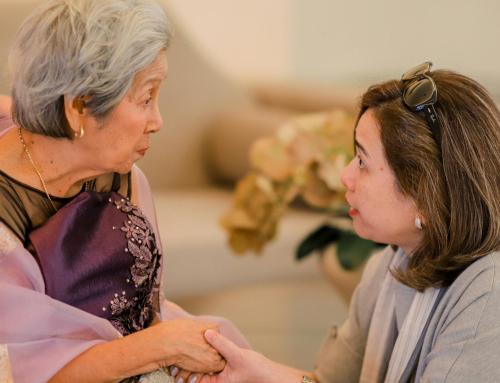

Imagine sitting on an examination table, explaining to your doctor that a sharp, persistent ache in your knee is keeping you from your morning walks. The physician offers a warm, well-meaning smile, pats your hand, and says, “Well, what do you expect? It’s just normal aging. We aren’t as young as we used to be.”
While that phrase is often delivered as comfort, it is actually a subtle form of medical ageism—and it could be masking a highly treatable clinical condition.
As active Keenagers and forward-thinking Elders-in-Training, we must reject the idea that pain, exhaustion, or sudden vitality shifts are simply the price admission for growing older. True health literacy means moving out of the passive patient role and becoming the chief architect of your own health blueprint. When you take the lead, you recognize that while our bodies change over time, disruptive symptoms are signals that deserve a real medical investigation, not an ageist brush-off.
The Hidden Threat of the “Just Getting Older” Trap
When systemic health changes are dismissed as an inevitable decline, real medical issues get overlooked. Clinical symptoms in older adults are frequently ignored due to deep-seated cultural biases. Whether it is a treatable thyroid imbalance masked as “sluggishness” or a joint alignment issue labeled as “standard wear and tear,” attributing every ailment to the date on your birth certificate cuts off access to life-changing care.
Academic research demonstrates that internalized ageism doesn’t just impact our clinical visits; it actively harms our physical biology. Landmark studies tracked by the American Psychological Association (APA) reveal that individuals who hold negative stereotypes about growing older experience worse health outcomes and a lower life expectancy than those who view the process with optimism, curiosity, and purpose.
Accepting the “normal aging” excuse is a direct threat to personal independence. Navigating aging before it becomes a crisis means learning exactly when and how to push back against the status quo.
How to Be the Architect of Your Health Blueprint
Reclaiming ownership of your healthcare journey requires shifting your mindset from a passive recipient of care to an active investigator. If you want to ensure your symptoms are treated with the seriousness they deserve, implement these three practical strategies at your next appointment:
1. Challenge the Dismissal Directly
If a provider attributes a highly disruptive symptom to your age, ask a clarifying, comparative question: “If my left knee is the exact same age as my right knee and doesn’t hurt at all, what else could be causing this specific pain?” Forcing a clinical comparison shifts the conversation back to objective diagnostics rather than assumptions.
2. Present Concrete, Logged Data
Doctors respond to objective data, not vague descriptions. Keep a concise, daily log of your symptoms. Note exactly when they occur, their severity on a scale of 1–10, and precisely how they impact your daily life, work, or hobbies. Bringing a physical timeline to your clinic appointment prevents your concerns from being minimized as simple “aches and pains.”
3. Assembling an Expert Specialist Cast
If your primary care provider continues to hide behind the aging excuse, it is time to expand your medical circle. Bringing in specialized allies like a certified care manager or a geriatric physician can completely transform your care plan. These professionals look at your body through a specialized lens, understanding how to coordinate care across multiple specialists without treating you like an inevitable decline.
Rethinking Who We Are Becoming Over Time
Aging is not a single moment of deterioration; it is an ongoing process shaped by the intentional decisions we make today. We need to tell a new story about our long lives—one where we reject the old cultural tropes that tell us to sit back and quietly accept a diminishing quality of life. By combining high health literacy with an unyielding belief in your own vitality, you protect your autonomy and ensure the medical system works for your future self.
You deserve a healthcare team that treats your lifestyle, your longevity, and your health goals with the respect and rigorous curiosity they deserve.
What is one health change you’ve been tempted to brush off as “just getting older” that actually deserves a closer look? Let me know in the comments below!
Resources to Get Started
You don’t have to figure this out from scratch. These free tools can help you take the first steps.

The Reality of Medical Ageism
- NPR Shots: Bias Against Older People in Healthcare is Common and Harmful — A 2024 deep dive featuring geriatricians on how ageist assumptions lead to both under- and over-treatment of older adults
- WHO – Global Report on Ageism — The definitive international report on how ageism shapes healthcare access and health outcomes
- Changing the Narrative – Ageism in Healthcare — Practical tools and research for identifying and addressing age bias in medical settings
The Science: Why Your Beliefs About Aging Affect Your Health
- Yale School of Public Health – Becca Levy’s Research on Age Stereotypes — Overview of landmark research showing that people with a positive outlook on growing older live a median of 7.5 years longer than those who internalize negative beliefs about aging Frontiers
- APA – Psychologists Against Ageism — The American Psychological Association’s resources on how internalized age stereotypes shape cognitive and physical health outcomes
- Journalists’ Resource: The Impact of Ageism on Health – Research Roundup — An accessible summary of the major studies linking ageist bias to measurable health harm
Taking Action: How to Advocate for Yourself
- National Institute on Aging – Talking with Your Doctor — Practical guidance on how to communicate your concerns clearly and push back when dismissed
- AARP – How to Fight Ageism in the Doctor’s Office — Specific scripts and strategies for advocating for proper diagnosis when symptoms are attributed to age
Building a Better Care Team
- Aging Life Care Association — Find a credentialed care manager who can serve as an expert advocate and ensure your symptoms are taken seriously
- Eldercare Locator — Government tool for finding local geriatric specialists and care support