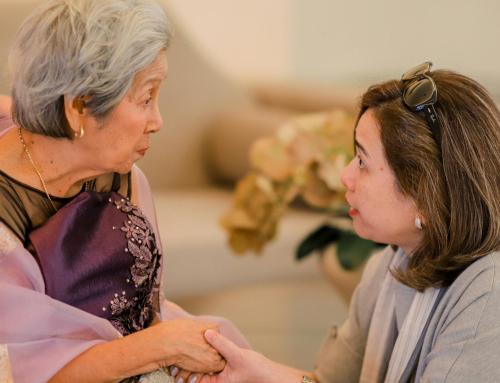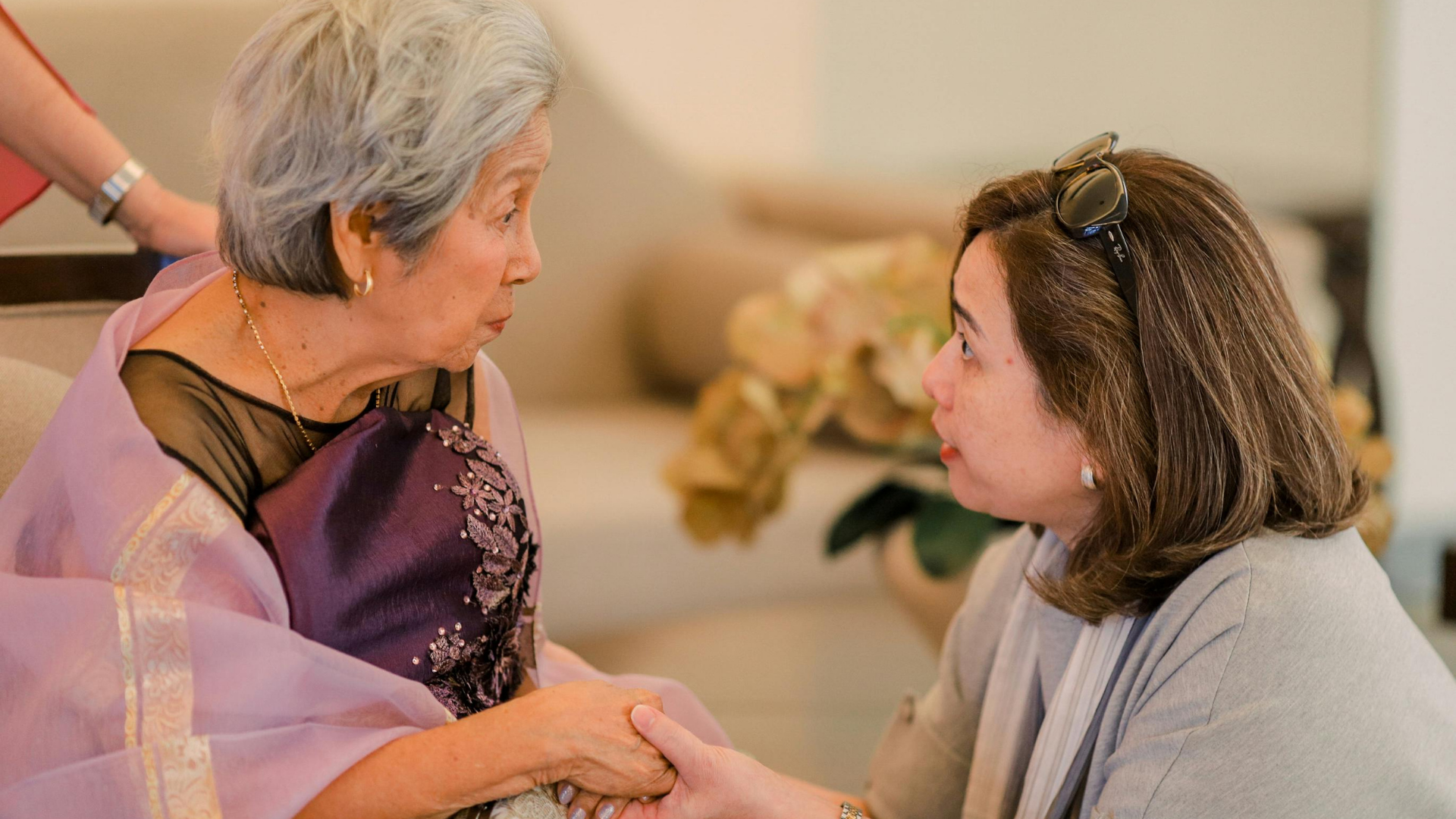

Imagine an unexpected medical emergency. Who is the person you trust to make critical decisions on your behalf? While traditional narratives assume a spouse or biological child will step into that role, the reality of modern aging is changing. Many active Keenagers and forward-thinking Elders-in-Training are actively choosing to surround themselves with a different kind of support system: a family of choice.
Whether composed of lifelong friends, dedicated neighbors, or community peers, building a chosen inner circle is a profound act of life design. However, ensuring your chosen family can effectively advocate for you in a complex medical environment requires a specific superpower: health literacy.
By shifting your mindset from a passive patient to the active architect of your health blueprint, you can equip your circle with the practical tools needed to navigate the healthcare system before a crisis hits.
The Strength of Chosen Circles in Modern Aging
The traditional nuclear family structure is no longer the sole blueprint for growing older. For many Keenagers, those curious individuals who stay current and deeply connected, a family of choice provides vital emotional resonance and daily support.
This isn’t just about combatting loneliness; it’s a critical component of healthy aging. Research underscores that robust social connections are directly tied to longevity and cognitive health. According to resources shared by the National Institute on Aging (NIA), maintaining meaningful social bonds can significantly mitigate the steep physical risks associated with isolation.
To transform these deep emotional bonds into a functional, resilient caregiving network, you must establish a shared foundation of health literacy. Navigating the aging process intentionally means ensuring your circle knows exactly how to step in, communicate with medical teams, and honor your wishes when it matters most.
From Patient to Architect: Practical Steps to Empower Your Inner Circle
Health literacy is more than decoding complex medical jargon; it is the capacity to process, understand, and act upon critical health information. When you become the architect of your own health journey, you actively design a system that protects your autonomy.
To effectively empower your chosen family, focus on these three concrete strategies:
1. Formalize Legal and Medical Authority
The current medical system defaults to biological relatives unless legally instructed otherwise. To ensure your trusted friends have a seat at the table, formalize their roles. Establish healthcare proxies, durable powers of attorney, and living wills. This gives your chosen advocates the legal standing required to speak for you in medical settings.
2. Practice Transparent Care Coordination
Avoid managing your wellness in a vacuum. Bring members of your chosen family to specialist appointments and share access to your medical portals. Educate them on your baseline health, daily medications, and long-term wellness goals. When multiple people understand your care plan, you distribute the logistical and emotional weight of health management.
3. Translate and Assert Your Holistic Needs
Unfortunately, comprehensive geriatric training is often limited among general medical teams. You and your circle must learn to actively translate your specific needs to healthcare providers. Frame your medical decisions around your quality of life, personal independence, and continuous purpose, rather than treating aging as an inevitable decline.
Recommitting to Life Design
Aging is not a single moment of crisis; it is a lifelong process shaped by the deliberate decisions we make today. We need to reject old cultural tropes that suggest growing older must mean isolation or strict reliance on traditional structures. By combining the deep emotional bond of a family of choice with the structural asset of high health literacy, you retain complete ownership of your journey.
What is one small step you can take this week to discuss your future health blueprint with your chosen inner circle? Let me know in the comments below.
Resources to Get Started
You don’t have to figure this out from scratch. These free tools can help you take the first steps.

Chosen Family & Social Connection in Aging
- National Institute on Aging – Social Isolation & Loneliness — Research on how meaningful social bonds protect cognitive health and longevity
- U.S. Surgeon General’s Advisory: Our Epidemic of Loneliness and Isolation — The landmark 2023 federal report declaring social connection a public health priority
- AARP – Social Connections Research — Data on how relationships — biological and chosen — shape health outcomes in later life
Health Literacy: Empowering Your Circle
- CDC – Health Literacy and Older Adults — Why health literacy is essential for older adults and those who support them, with tools and resources
- MedlinePlus Health Literacy Resources — Plain-language health information from the National Library of Medicine, useful for educating your inner circle
Formalizing Legal & Medical Authority
- National Institute on Aging – Advance Care Planning — How to establish healthcare proxies, living wills, and durable powers of attorney
- CaringInfo / NHPCO – Free Advance Directive Forms by State — Download your state’s legal forms at no cost
- The Conversation Project — Free starter guides for communicating your values and wishes to your chosen circle
Professional Support
Aging Life Care Association — Find a credentialed care manager who can serve as an objective expert advocate within your network